Preparation matters
Raw, steamed, roasted, fermented and slowly cooked foods can place different demands on digestion.
FOOD & CHINESE MEDICINE
Chinese medicine has never separated food entirely from medicine. What we eat becomes part of what the body must receive, transform and use every day.
But Chinese dietary thinking asks a somewhat different question from modern nutrition. Rather than beginning only with “Is this food healthy?” we might also ask: What does this food ask this particular body to do?
A raw salad and a bowl of slowly cooked soup may contain equally nutritious ingredients, yet they can feel remarkably different to someone whose digestion is already struggling. The food has not changed from good to bad. The relationship has changed.
NO PERFECT DIET
Chinese dietary medicine traditionally considers qualities such as temperature, flavor, preparation, season, constitution, digestion and the person’s current condition. That makes dietary guidance inherently individual.
Raw, steamed, roasted, fermented and slowly cooked foods can place different demands on digestion.
What nourishes you? What leaves you depleted? What can you digest? What are you craving? How do you feel after you eat?
Someone who feels cold, tired and bloated after eating may need different guidance from someone experiencing heat, thirst and restlessness.
Food carries culture, family, memory, pleasure and relationship. A theoretically perfect diet that is impossible to live with is rarely useful.
PRACTICAL DIETARY MEDICINE
Sometimes guidance means changing what someone eats. Sometimes it means changing how it is prepared, when it is eaten, how much is eaten, or simply slowing down enough to notice the response.
And sometimes the most appropriate advice is to leave food alone. Like acupuncture and herbal medicine, dietary guidance should respond to the person—not force the person to conform to a theory.
KITCHEN SOUPS
These are livable household soups with light traditional food context—warm, clear, or gently sweet dishes many kitchens already know. They are educational kitchen references only, not a prescription or treatment plan.
Educational kitchen reference only. Not a diagnosis, treatment, or substitute for individualized clinical advice. Adjust ingredients for allergies, preferences, and what you can digest.
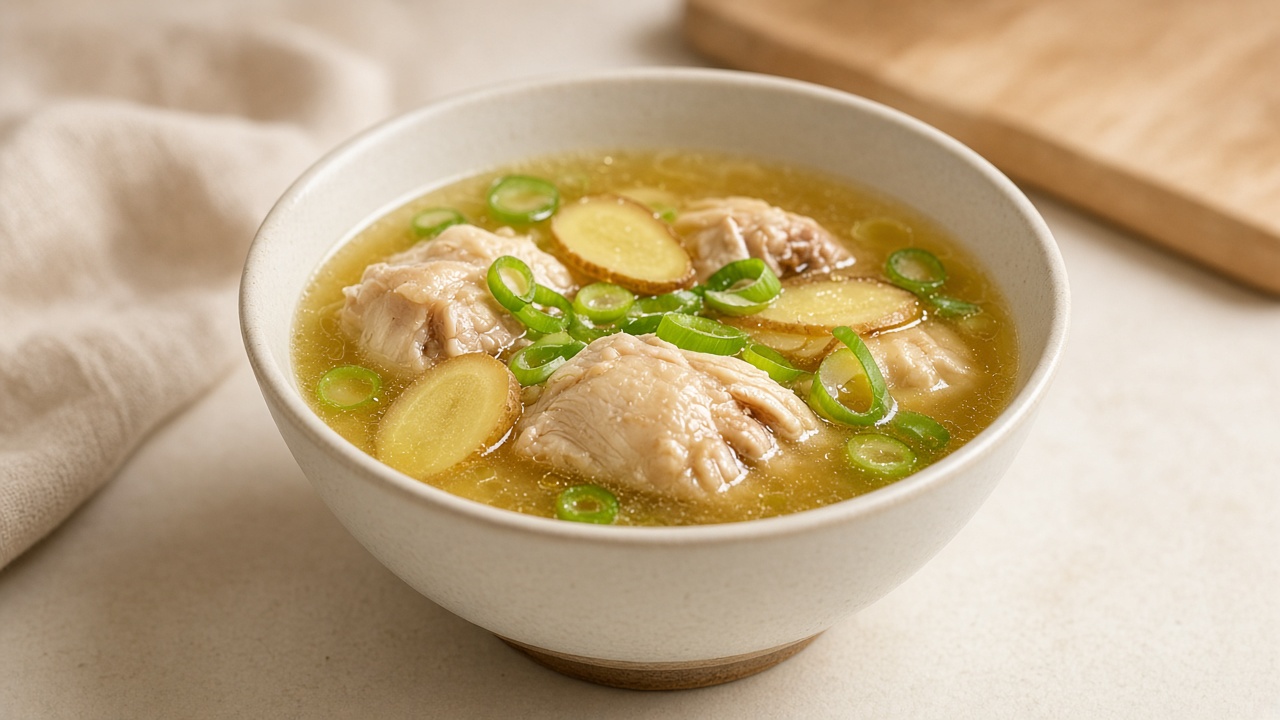
Warming
Traditionally cooked when a warming, restorative kitchen meal is wanted after chill or fatigue—offered here as everyday food, not medicine.
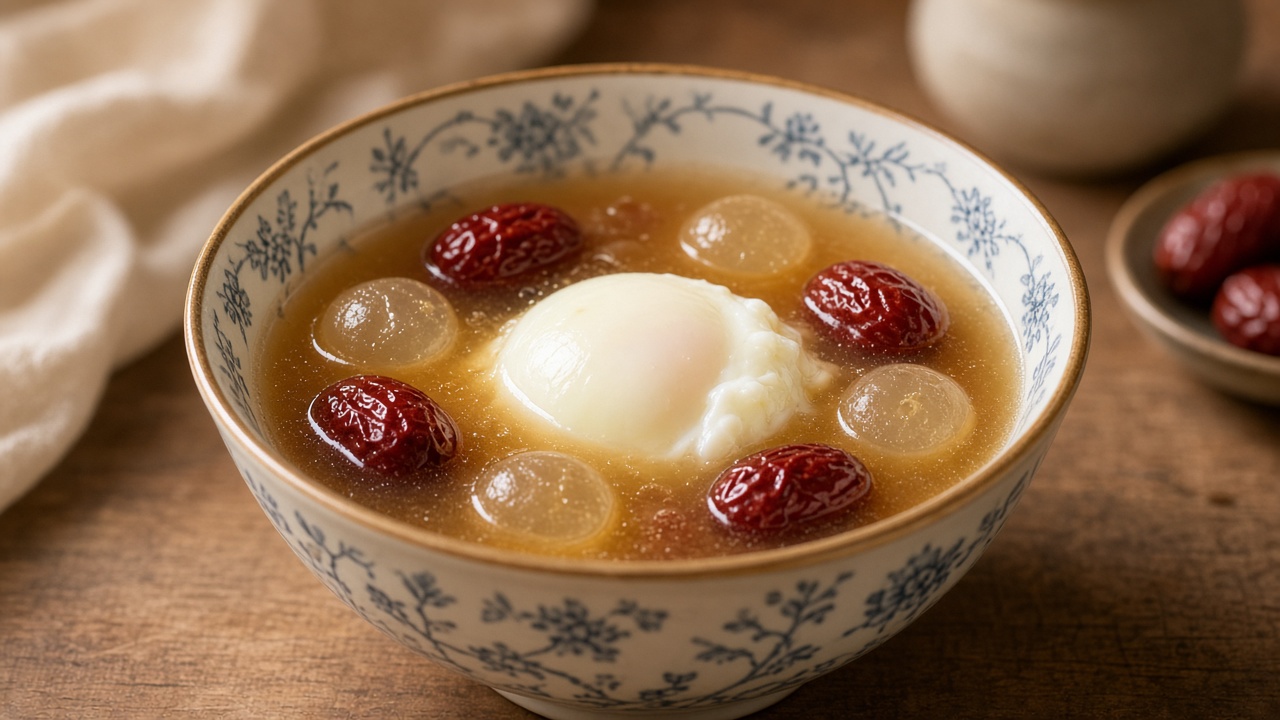
Gentle blood / qi support
In traditional food culture, red dates and longan are often simmered together when gentle nourishment is sought—a household sweet soup, not a clinical recommendation.
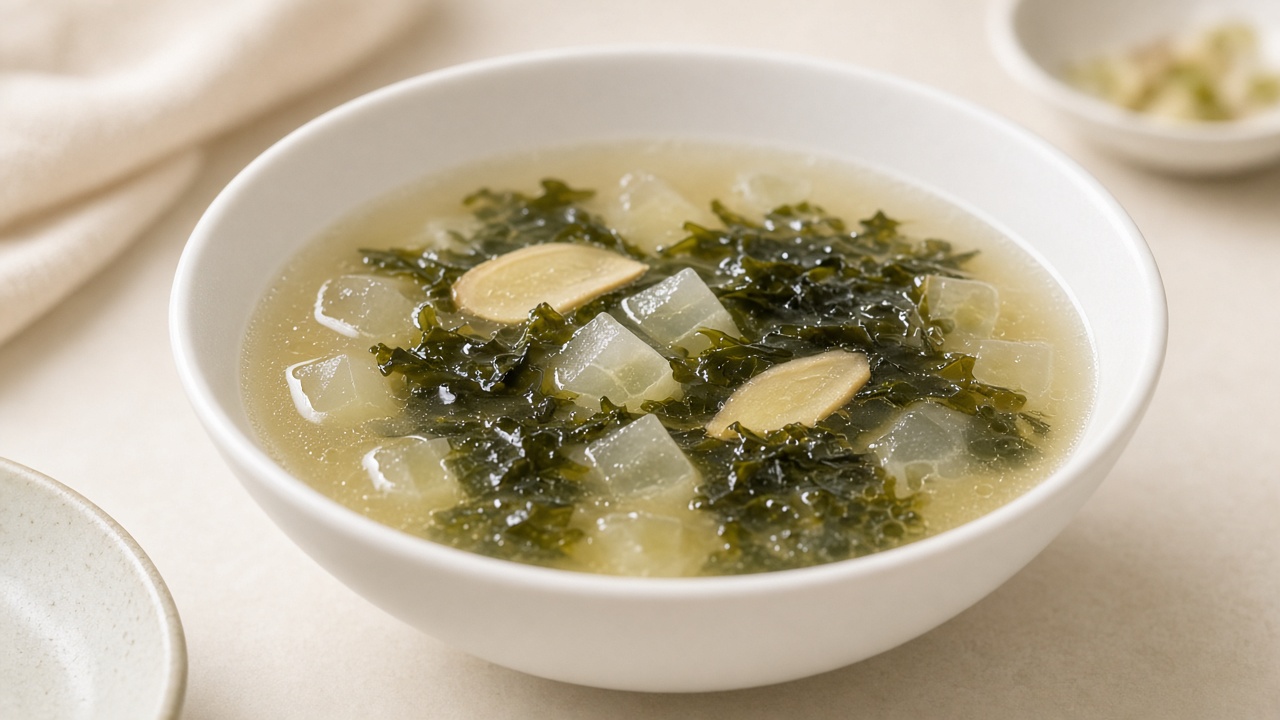
Light / clearing
Winter melon with seaweed is a classic light clear soup when a cooling, less heavy kitchen meal is preferred—educational context only.
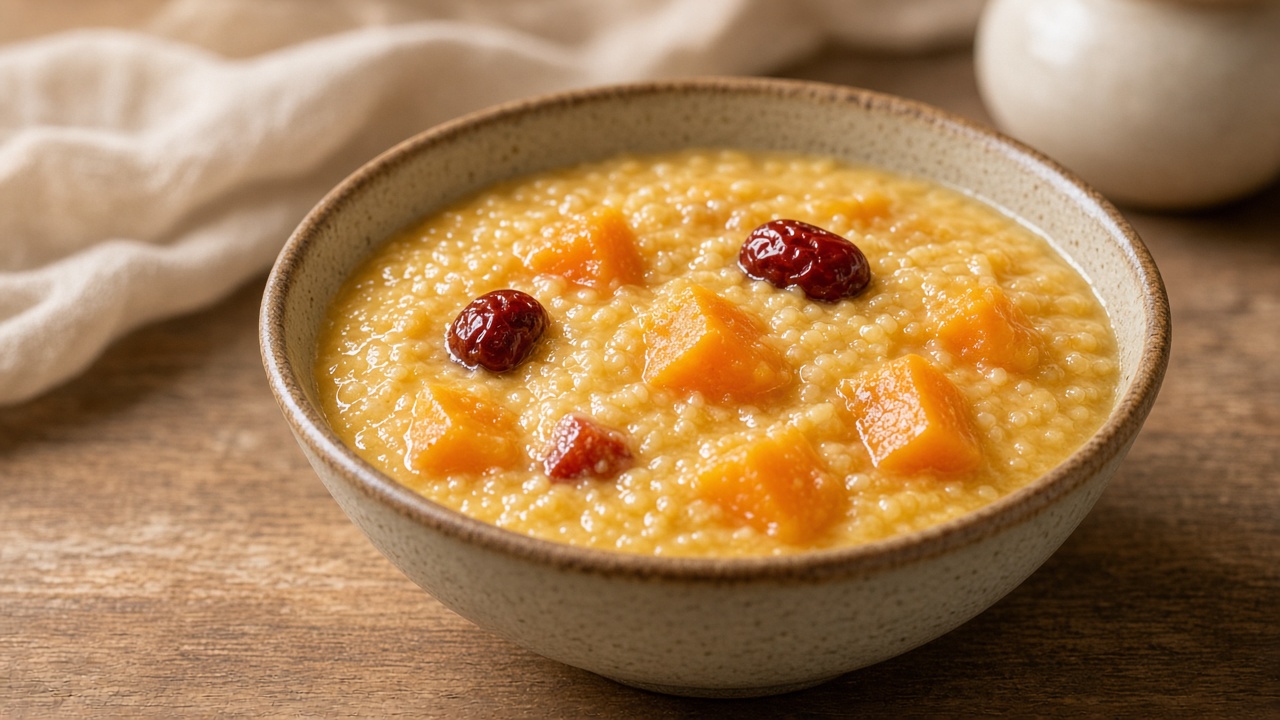
Qi support
Millet and sweet potato make a soft, sustaining porridge-soup; astragalus (huang qi) is an optional kitchen herb some households add—omit if unsure, and do not treat this as prescription.
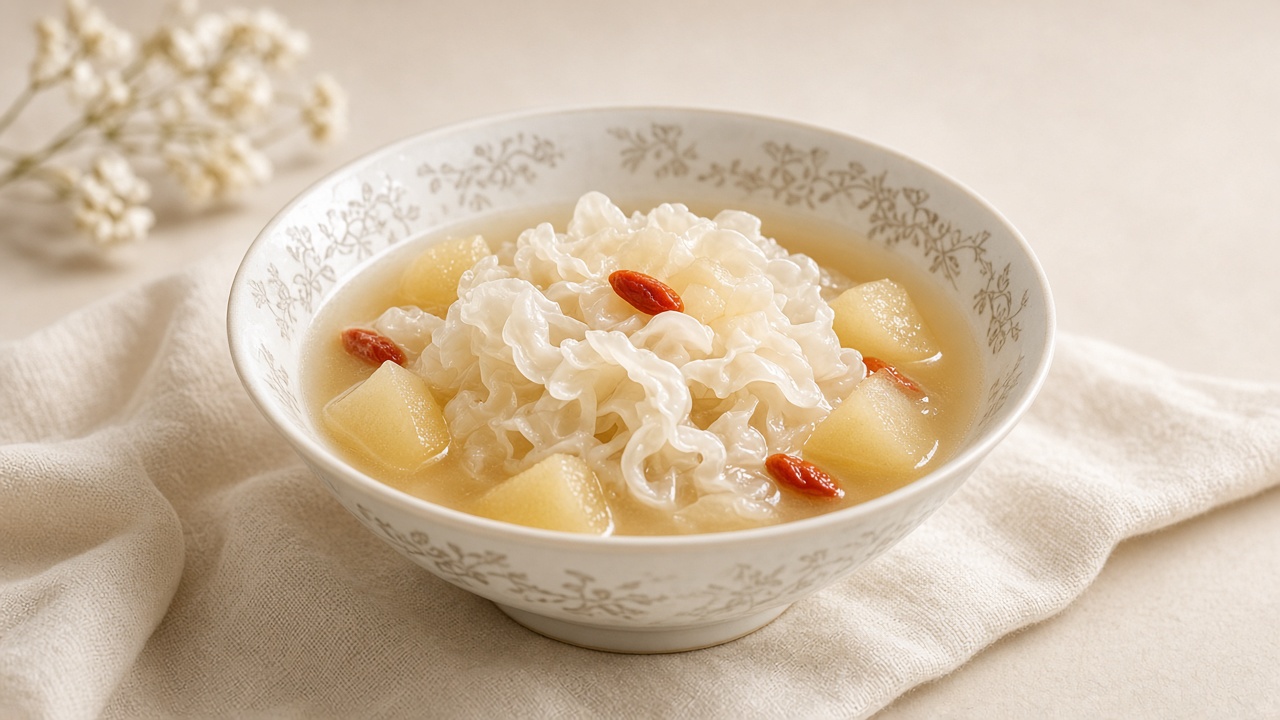
Moistening / yin support
Pear and white fungus (tremella) are often prepared as a gentle sweet soup when moistening foods are preferred in traditional kitchens—household reference only.
FOOD AS PART OF CARE
When food is relevant to your pattern, we can discuss practical changes that fit your digestion, health history and everyday life.